World Stroke Day 2025: Act FAST, Protect Your Heart and Brain
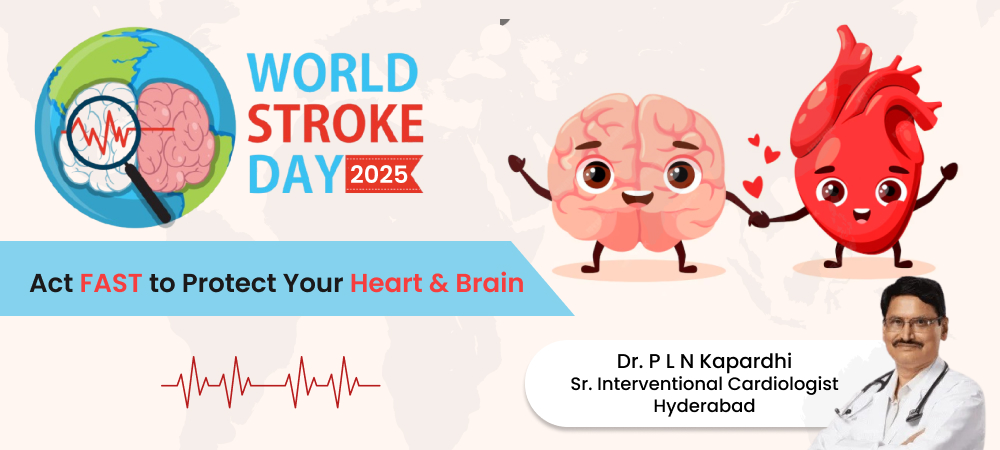
Every year on October 29, World Stroke Day reminds us that stroke is not only a brain emergency but also closely linked to heart health. According to the World Health Organization (WHO), stroke is one of the leading causes of death and long-term disability worldwide.
“A stroke doesn’t just affect the brain—it’s a sign that your heart and blood vessels need attention too,” says Dr. P L N Kapardhi, Senior Interventional Cardiologist. Understanding how to act quickly and take preventive steps can save lives and reduce the risk of future strokes or heart disease.
What Is a Stroke?
A stroke happens when the blood flow to a part of the brain is suddenly interrupted—either because of a blocked artery (ischemic stroke) or a burst blood vessel (hemorrhagic stroke). Without oxygen and nutrients, brain cells begin to die within minutes.
In simple terms, a stroke is like a “heart attack” in the brain. The faster you get medical help, the better the chances of recovery and preventing permanent damage.
Causes & Risk Factors
Many strokes can be prevented by understanding and managing the underlying causes. Common risk factors include:
- High blood pressure (hypertension) – the number one cause of stroke
- Heart diseases like atrial fibrillation, valve disease, or heart failure
- Diabetes – damages blood vessels over time
- High cholesterol levels – lead to plaque buildup in arteries
- Smoking and alcohol use – increase clot formation
- Obesity and sedentary lifestyle
- Family history or genetic factors
- Previous transient ischemic attack (TIA) – a warning sign for future strokes
According to the American Heart Association (AHA), managing these risk factors can reduce stroke risk by up to 80%.
Symptoms / Warning Signs: Act F.A.S.T.
When it comes to stroke, time is brain. Quick recognition saves lives.
Remember the acronym F.A.S.T.:
- F – Face: Drooping on one side of the face when smiling
- A – Arm: One arm drifts downward when both arms are raised
- S – Speech: Slurred or strange speech
- T – Time: Call emergency services immediately
Other warning signs include:
- Sudden numbness or weakness, especially on one side of the body
- Difficulty seeing, walking, or balancing
- Severe, unexplained headache
If any of these occur, don’t wait—seek medical help right away.
Diagnosis & Tests
When you reach the hospital, your doctor will act quickly to confirm the type of stroke and its cause. Common tests include:
- CT Scan or MRI Brain: To identify bleeding or blockages
- Carotid Doppler / Ultrasound: Checks for narrowing in neck arteries
- ECG and Echocardiogram: Detects irregular heart rhythms or clots
- Blood Tests: To assess sugar, cholesterol, and clotting profile
According to Dr. Kapardhi, these investigations guide timely treatment and help prevent future cardiovascular events.
Treatment Options
Treatment depends on the type of stroke and how quickly you reach the hospital.
For Ischemic Stroke (Blocked Artery):
- Thrombolytic therapy (clot-busting drug): Works best if given within 4.5 hours of symptom onset
- Mechanical thrombectomy: A minimally invasive procedure to remove the clot from the brain vessel
- Antiplatelet or anticoagulant medicines: To prevent further clot formation
For Hemorrhagic Stroke (Bleeding):
- Blood pressure control and medications to stop bleeding
- Surgical procedures (if needed) to repair damaged vessels or relieve pressure
Long-term Care:
- Cardiac monitoring, rehabilitation therapy, and lifestyle management
- Regular follow-ups with a cardiologist and neurologist
Prevention & Heart-Healthy Tips
Most strokes are preventable with consistent lifestyle care. Here’s what you can do:
- Monitor blood pressure regularly and keep it under control.
- Maintain a healthy diet rich in fruits, vegetables, and whole grains.
- Limit salt, sugar, and processed foods.
- Exercise for at least 30 minutes most days of the week.
- Avoid smoking and limit alcohol consumption.
- Manage diabetes and cholesterol through medication and regular check-ups.
- Sleep well and reduce stress.
- Attend routine heart and vascular screenings, especially if you have a family history.
A heart-healthy lifestyle is also a brain-healthy lifestyle.
When to See a Cardiologist
If you’ve had a stroke, mini-stroke (TIA), or have risk factors like high blood pressure, atrial fibrillation, or diabetes, it’s crucial to consult a cardiologist.
Dr. Kapardhi emphasizes, “Early cardiac evaluation can uncover silent risk factors before they lead to a stroke or heart attack.”
Even if you feel fine, regular check-ups can detect issues early and protect your long-term heart and brain health.
Conclusion
This World Stroke Day 2025, let’s pledge to Act FAST and take charge of our cardiovascular well-being. By recognizing warning signs, adopting healthy habits, and seeking timely medical care, we can prevent countless strokes and heart complications.
Your heart and brain are connected—protecting one protects the other.
Frequently Asked Questions
Common causes include high blood pressure, diabetes, smoking, obesity, high cholesterol, and lack of exercise. Managing these helps protect both heart and brain.
2.Exercising regularly
3.Checking blood pressure and sugar levels
4.Managing stress through meditation or yoga