How Rapid Weight Changes Affect Heart Health: Risks, Signs & Prevention
Weight changes are common in everyday life—whether due to lifestyle, stress, illness, or intentional dieting. However, when these changes happen quickly, they can influence how your heart functions.
Understanding rapid weight change heart effects is important because the heart adapts to shifts in metabolism, blood pressure, and circulation. In many cases, small fluctuations are harmless—but sudden or significant changes may require attention.
What Are Rapid Weight Changes?
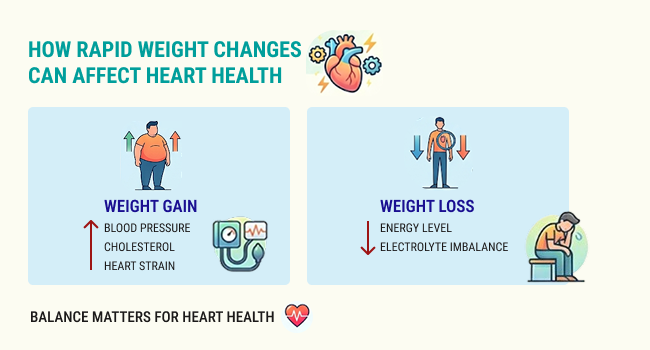
Rapid weight changes refer to noticeable gain or loss of body weight over a short period—typically within weeks or a few months.
These changes can affect the body’s internal balance, including metabolic changes heart function depends on, fluid levels, and energy use. The relationship between weight changes and heart disease is complex but well-recognized in preventive cardiology.
Causes & Risk Factors
Several factors can lead to rapid weight fluctuations:
- Sudden lifestyle or dietary changes
• Emotional stress or sleep disturbances
• Hormonal imbalances
• Underlying medical conditions
• Sedentary habits or reduced activity
In particular, weight gain and blood pressure are closely linked. Increased body weight can raise blood pressure levels, placing additional strain on the heart.
Additionally, long-term obesity cardiovascular risk remains one of the major contributors to heart disease worldwide.
Symptoms / Warning Signs
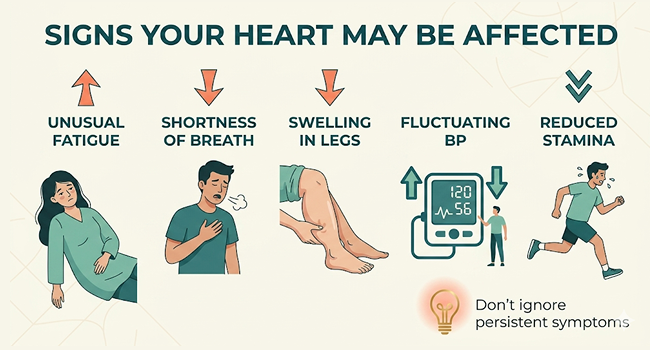
In many cases, weight changes may not cause immediate symptoms. However, certain signs may indicate the need for attention:
- Unusual fatigue or reduced stamina
• Shortness of breath during routine activity
• Swelling in the legs or feet
• Fluctuations in blood pressure
• Palpitations or irregular heartbeat
These may be early signs of heart problems due to weight changes, especially if symptoms appear alongside sudden weight gain.
Diagnosis & Tests
Doctors evaluate heart health through simple and non-invasive tests. These may include:
- Blood pressure monitoring
• Blood sugar and cholesterol levels
• ECG (electrocardiogram)
• Echocardiography (if needed)
According to Dr. P L N Kapardhi, an Experienced Cardiologist in Hyderabad, regular evaluation helps identify early risk factors and supports effective cardiac health monitoring.
Such assessments are particularly helpful in understanding how weight fluctuations impact overall heart function.
Treatment Options
Treatment depends on the cause of weight change and overall health status.
Lifestyle Management
Most cases benefit from gradual, sustainable lifestyle adjustments.
Medical Support
Doctors may prescribe medications to manage blood pressure, sugar levels, or cholesterol.
Monitoring & Follow-Up
Regular follow-ups help track progress and prevent complications.
In most cases, addressing underlying causes helps restore balance and reduce weight fluctuations and heart risk.
Prevention & Heart-Healthy Tips
The good news is that simple habits can support both weight balance and heart health.
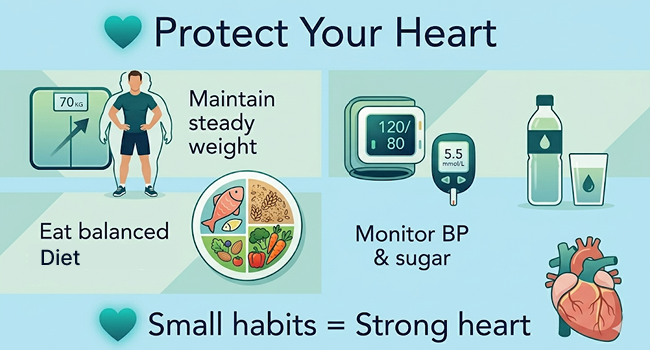
Here are practical prevention tips for weight-related heart problems:
- Aim for gradual and steady weight changes
• Follow a balanced, nutritious diet
• Stay physically active with regular exercise
• Maintain proper sleep and stress management
• Monitor BP, sugar, and cholesterol regularly
These steps contribute significantly to heart disease prevention and long-term well-being.
When to See a Cardiologist
You should consider medical advice if:
- Weight changes are sudden or unexplained
• You experience fatigue, breathlessness, or swelling
• Blood pressure levels fluctuate frequently
• You have diabetes, hypertension, or family history
If you are looking for a heart checkup in Lucknow, early evaluation can provide reassurance and help prevent future complications.
Conclusion
Weight changes are a normal part of life—but rapid or unexplained changes deserve attention. The connection between heart health and weight changes highlights the importance of balance, consistency, and awareness.
In most cases, simple lifestyle adjustments and regular monitoring can make a significant difference. Listening to your body and seeking timely guidance helps protect your heart in the long run.
Author Bio
Dr. P. L. N. Kapardhi is a Senior Interventional Cardiologist with expertise in preventive cardiology, coronary interventions, and cardiovascular risk management. He focuses on early diagnosis, patient education, and personalized care to support long-term heart health.
Reviewed and verified by Dr. P L N Kapardhi, Sr. Interventional Cardiologist, Hyderabad.
References
World Health Organization. (2024). Cardiovascular diseases (CVDs).
https://www.who.int/news-room/fact-sheets/detail/cardiovascular-diseases-(cvds)
American Heart Association. (2025). Weight and heart health.
https://www.heart.org/en/healthy-living/healthy-eating/losing-weight
Centers for Disease Control and Prevention. (2024). Adult obesity and heart disease.
https://www.cdc.gov/obesity/adult/causes.html
PubMed. (2023). Weight fluctuations and cardiovascular outcomes.
https://pubmed.ncbi.nlm.nih.gov/30571503/