Cholesterol Management in Hyderabad: Complete Guide to a Heart-Healthy Life
🩺Why Cholesterol Management Matters
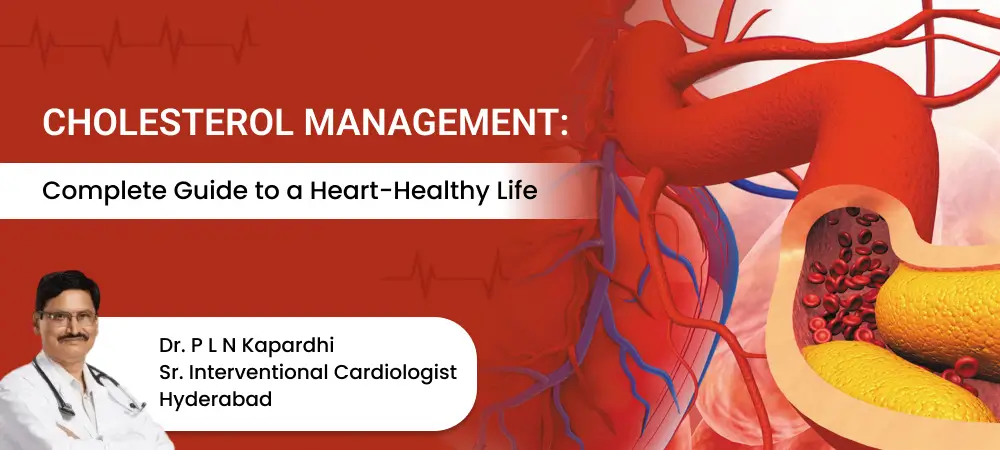
Cholesterol — a waxy, fat-like substance — is essential for building healthy cells and hormones. However, when levels rise beyond normal, it silently begins to damage your arteries and heart valves.
Uncontrolled cholesterol is a major risk factor for heart attacks, strokes, and valve calcification — conditions that are becoming increasingly common in India, especially in metropolitan cities like Hyderabad.
With fast-paced lifestyles, processed foods, and sedentary habits, cholesterol-related heart disease is rising among both young professionals and older adults. The good news? With timely diagnosis, lifestyle changes, and expert medical care, it’s completely manageable.
❤️ Understanding Cholesterol: The Good and the Bad
Cholesterol travels through your blood attached to proteins — forming lipoproteins. There are two key types:
- LDL (Low-Density Lipoprotein): “Bad” cholesterol — causes plaque buildup in arteries.
- HDL (High-Density Lipoprotein): “Good” cholesterol — helps remove excess LDL from the blood.
- Triglycerides: Another type of fat in the blood; high levels increase heart risk.
Optimal Cholesterol Levels:
| Type | Ideal Range (mg/dL) |
| Total Cholesterol | < 200 |
| LDL (Bad Cholesterol) | < 100 |
| HDL (Good Cholesterol) | > 40 (men), > 50 (women) |
| Triglycerides | < 150 |
Regular testing and tracking these values are essential for early detection and prevention.
🧬 Causes of High Cholesterol
Several factors contribute to elevated cholesterol levels:
- Unhealthy diet: High intake of saturated fats, fried foods, and refined sugars.
- Sedentary lifestyle: Lack of physical activity reduces HDL and increases triglycerides.
- Obesity: Especially abdominal fat, strongly linked to high LDL.
- Smoking & alcohol: Both decrease HDL and promote artery inflammation.
- Genetic predisposition: Familial hypercholesterolemia can cause very high cholesterol levels early in life.
- Underlying conditions: Diabetes, hypothyroidism, and kidney disease can worsen cholesterol imbalance.
In Hyderabad’s urban lifestyle, frequent eating out, stress, and irregular meal timings make these risks even more relevant.
🩺 Symptoms: The Silent Nature of High Cholesterol
High cholesterol rarely causes noticeable symptoms. Most people discover it during routine blood tests or after a cardiac event. However, warning signs can include:
- Chest pain or tightness
- Shortness of breath
- Fatigue on exertion
- Numbness or tingling in extremities
Because symptoms often appear only when arteries are already blocked, regular lipid profile tests are crucial — especially for adults above 30 or those with a family history of heart disease.
🧪 Diagnosis & Testing in Hyderabad
To evaluate your cholesterol levels, your doctor will recommend a Lipid Profile Test.
It measures:
- Total cholesterol
- LDL, HDL
- Triglycerides
- VLDL
🔬 Testing Options in Hyderabad:
You can get tested at:
- Vijaya Diagnostic Center, Lucid Medical Diagnostics, Medicover Labs, Apollo Diagnostics, or Orange Health (home collection available).
Reports are typically available within a few hours, and consultation with a cardiologist helps interpret results in the context of your overall heart health.
🍽 Cholesterol Management: The 360° Approach
Cholesterol management isn’t about eliminating fats entirely — it’s about balancing intake and making smarter lifestyle choices.
🥗 1. Heart-Healthy Diet
Include:
- Whole grains (oats, barley, brown rice)
- Fresh fruits and vegetables
- Lentils, beans, sprouts
- Nuts and seeds (almonds, walnuts, flaxseed)
- Fish rich in omega-3 fatty acids (mackerel, tuna, salmon)
- Olive, groundnut, or mustard oil (in moderation)
Avoid or Limit:
- Deep-fried and processed foods
- Red meat and high-fat dairy
- Sugary drinks and desserts
- Reused or hydrogenated oils
👉Hyderabad Tip: Replace fried snacks and sweets with roasted nuts or fruit salads. Choose grilled tandoori items instead of deep-fried starters when eating out.
🏃♂️ 2. Regular Exercise
Aim for at least 150 minutes of moderate-intensity exercise per week, such as brisk walking, cycling, or swimming.
Add 2 days of strength training to improve metabolism and HDL levels.
Even simple habits — like taking the stairs or short evening walks around KBR Park — go a long way.
🚭 3. Quit Smoking & Limit Alcohol
Smoking lowers HDL and damages arterial walls.
Alcohol, especially in excess, raises triglycerides and blood pressure.
Cutting down on both drastically improves heart function and overall health.
🧘♀️ 4. Manage Stress
Chronic stress triggers hormonal changes that increase cholesterol and triglycerides.
Practice mindfulness, yoga, or meditation — readily available through Hyderabad’s wellness studios or home apps.
💊 5. Medical Treatment
If lifestyle changes aren’t sufficient, your doctor may prescribe medications like:
- Statins – to reduce LDL cholesterol
- Ezetimibe – to limit absorption of cholesterol from food
- PCSK9 inhibitors – for resistant cases
- Fibrates – to control triglycerides
Medication is always tailored based on your cholesterol type, heart risk, and age — under cardiologist supervision.
🩺 Cholesterol & Valve Health – The Hidden Link
High cholesterol can accelerate calcification of heart valves, especially the aortic valve.
Over time, this can lead to Aortic Stenosis — narrowing of the valve that restricts blood flow.
For patients with existing valve conditions or after valve replacement (TAVI or surgical), cholesterol control becomes even more critical.
Maintaining ideal lipid levels helps prevent further valve degeneration and improves treatment outcomes.
📍 Why Choose Expert Cholesterol Management in Hyderabad
Hyderabad is home to advanced cardiac care facilities and preventive health programs.
At Dr. P L N Kapardhi’s clinic, cholesterol management follows a holistic and evidence-based approach:
- Detailed lipid profile evaluation
- Lifestyle counseling and dietary guidance
- Risk assessment for heart and valve diseases
- Advanced imaging (Echocardiogram, CT Calcium Scoring) when needed
- Personalized medical therapy and follow-up care
Early intervention can prevent 80% of cholesterol-related heart complications — making it one of the most impactful preventive strategies.
🧭 When to See a Cardiologist
Consult a cardiologist if you:
- Have high cholesterol despite diet changes
- Experience chest pain or shortness of breath
- Have a family history of heart disease
- Have diabetes, hypertension, or obesity
- Are above 40 and haven’t had a lipid test recently
A timely visit ensures you catch silent risks early and take preventive action.
🧡 Takeaway: Cholesterol Control = Heart Protection
Managing cholesterol isn’t just about numbers — it’s about protecting your arteries, valves, and heart function for years to come.
Small, consistent changes in diet, activity, and habits — combined with professional guidance — can make a lasting difference.
Your heart deserves proactive care.
If you’re in Hyderabad and looking to take charge of your cholesterol, expert help is just one consultation away.
👨⚕️ About Dr. P L N Kapardhi
Dr. P L N Kapardhi is a leading Interventional Cardiologist in Hyderabad, specializing in heart valve treatments, preventive cardiology, and minimally invasive interventions.
He believes in empowering patients with education, lifestyle coaching, and advanced medical solutions to prevent heart disease before it starts.